
To nurture enlightened, compassionate, and resilient learners by creating a holistic, nature-integrated educational environment that fosters intellectual curiosity, emotional well-being, ethical values, and lifelong learning—preparing children to contribute meaningfully to a just, sustainable, and harmonious world.
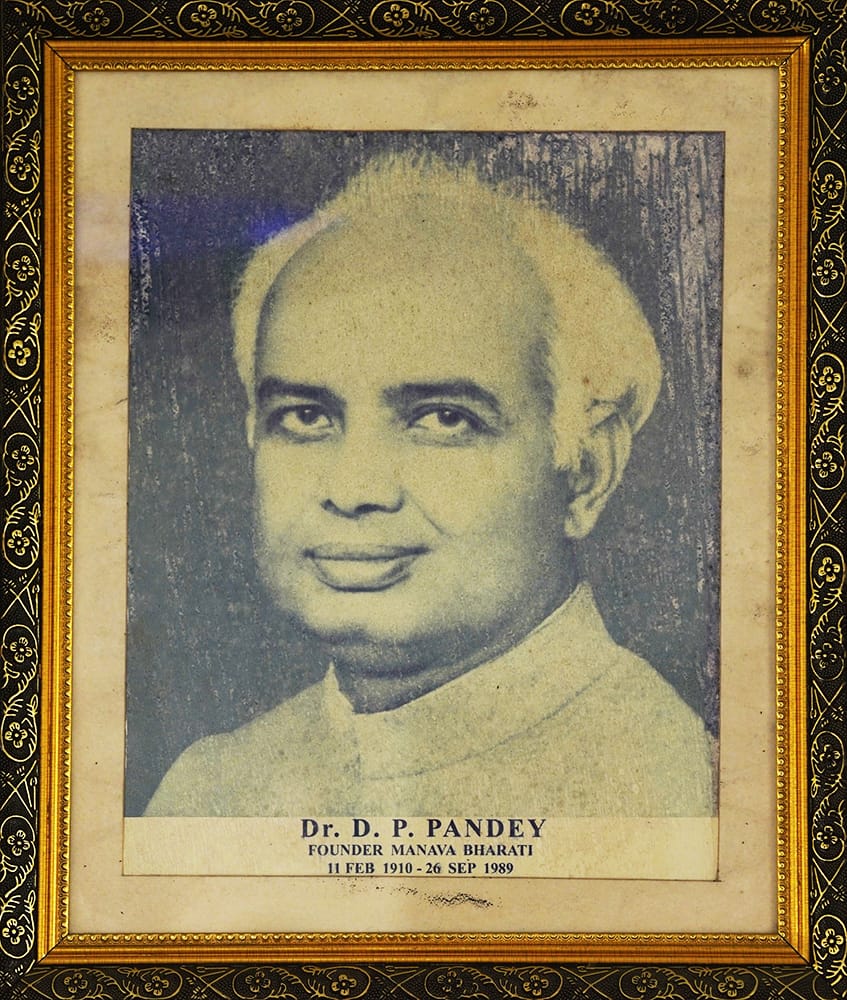
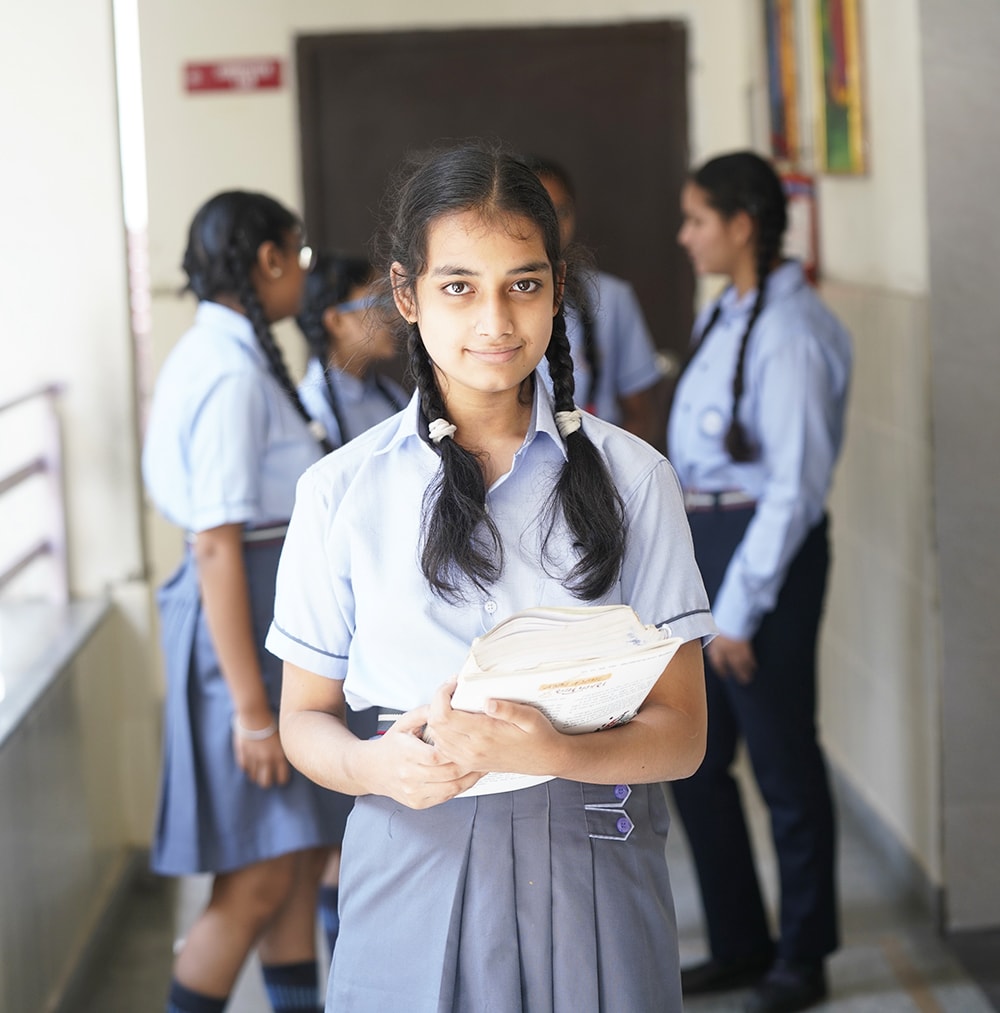
Manava Bharati School is committed to providing a child-centred, research-informed, and value-based education that integrates academic excellence with emotional intelligence, physical well-being, environmental consciousness, and social responsibility.
We strive to:
- Create a safe, nurturing, and stimulating learning ecosystem grounded in educational psychology and developmental research.
- Encourage critical thinking, creativity, and problem-solving through experiential, inquiry-based, and interdisciplinary learning.
- Promote emotional resilience, self-discipline, and ethical decision-making through mindful practices, mentoring, and positive relationships.
- Foster a deep respect for nature, culture, and diversity, cultivating responsible global and ecological citizenship.
- Empower each child to discover their unique potential and develop the confidence to lead with empathy, integrity, and purpose.
Core Value Framework of Manava Bharati School, grounded in Indian philosophy and aligned with contemporary educational research. The school’s values are inspired by the Panchbhuta (Five Elements), emphasizing balance, wholeness, and integrated human development. These values are not abstract ideals but practical life skills shaping daily learning, relationships, and community life.
The five foundational values are:
Sachetanta (Mindfulness): Cultivating self-awareness and presence in thought, emotion, and action. Mindfulness supports emotional regulation, clarity, reflective learning, and well-being, making it central to all interactions in the school.
Nishtha (Trust): Trust in human goodness and shared intention forms the basis of collaboration, community harmony, and constructive conflict resolution. It enables diverse individuals to work together toward a common educational vision.
Shraddha (Respect): Deep respect for nature and all living beings, recognizing humans as an integral part of the natural world. Responsible interaction with nature and respectful human relationships are essential for sustainability and mutual growth.
Paricharya (Service): Learning is translated into action through service. Service nurtures humility, social responsibility, and self-realization, ensuring that knowledge leads to meaningful contribution rather than self-centeredness.
Unmuktata (Freedom): Freedom to learn, unlearn, inquire, and wonder. This value celebrates joy, curiosity, and awe in the learning process, enabling learners to make conscious choices aligned with personal growth and environmental harmony.
In essence, the school envisions education as a balanced integration of awareness, trust, respect, service, and freedom, fostering mindful, responsible, joyful, and socially conscious individuals prepared for lifelong learning and holistic living.
Our values are those pillars in our life that we use to derive meaning and fulfillment. They form the foundation of our identity and destiny. They are not idealistic concepts but are a skillful means to manage our day-to-day life.
The values of Manava Bharati resonate with the five elements or ‘Panchbhuta’, which are the building blocks of the universe. The Five Elements encompass all that is needed to survive in this Creation. Without any one of the five, the universe would cease to exist. The Five Elements are basic, but the knowledge surrounding them runs deep. When the Five Elements are in balance, we can function at our highest level as human beings. Similarly, our values are the building blocks of our school, which are:
Sachetanta (Mindfulness): To experience spiritual, emotional, and intellectual oneness with one’s self, nature, work, and relationships. Mindfulness involves a conscious direction of our awareness. Being mindful of our mental state brings us into the area of self-observation.